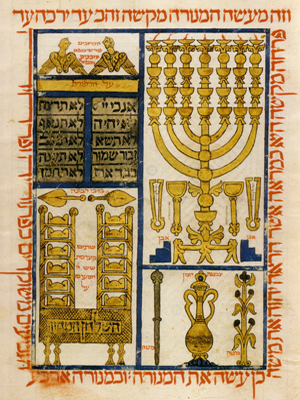
• Word and World: Hebrew Illuminated and Illustrated Manuscripts

MUSE Film and Television is an executive production company committed to developing, producing and distributing quality films on art. For more information on projects currently in development at MUSE, please do not hesitate to contact us.

AWW_InDev1

Director: Alison Klayman
Studio: MUSE Film and Television, Inc.
90 min. / Color

Official website:
www.aiweiweineversorry.com

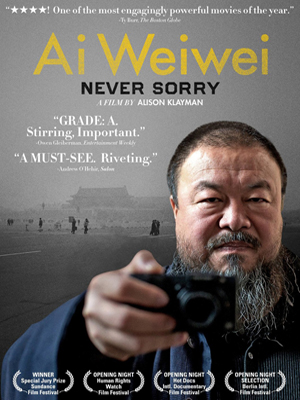
Ai Weiwei: Never Sorry

AI WEIWEI: NEVER SORRY is the first feature-length film about the internationally renowned Chinese artist and activist, Ai Weiwei. In recent years, Ai has garnered international attention as much for his ambitious artwork as his political provocations. AI WEIWEI: NEVER SORRY examines this complex intersection of artistic practice and social activism as seen through the life and art of China’s preeminent contemporary artist.

From 2008 to 2010, Beijing-based journalist and filmmaker Alison Klayman gained unprecedented access to Ai Weiwei. Klayman documented Ai’s artistic process in preparation for major museum exhibitions, his intimate exchanges with family members and his increasingly public clashes with the Chinese government. Klayman’s detailed portrait of the artist provides a nuanced exploration of contemporary China and one of its most compelling public figures.

For more information about the film, please visit www.aiweiweineversorry.com.

Word and World

Executive Producer: Karl Katz
Producer: Andrea Simon
Director: Andrea Simon
Scholar: Dr. Sharon Mintz
Studio:  MUSE Film and Television, Inc.
60 min. / DVD / Color

Word and World: Hebrew Illuminated and Illustrated Manuscripts

This film is conceived both as an exuberant celebration of the art of Hebrew manuscript illumination, and a reflection on what these books tell us about Jews and their lives in the medieval and early modern world. Word and World is a visually stunning and emotionally compelling documentary that raises essential questions for Jews and non-Jews about the function of sacred art and the distinctively Jewish marriage of word and world these works embody. In this film, 700 years of illustrated and illuminated manuscripts are brought together by art historian Dr. Sharon Mintz, exploring the rich and diverse visual culture of Sephardic and Ashkenazi Jewish art traditions in Bibles and Passover Haggadoth.

beatus

Executive Producer: Karl Katz
Producer: Murray Grigor
Director: Murray Grigor
Scholar: Professor John Williams
Studio:  MUSE Film and Television, Inc.
60 min. / DVD / Color

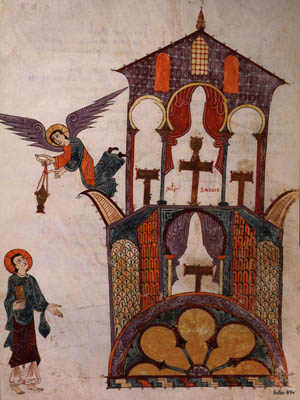
Apocalypse Then: The Beatus of Liebana Manuscripts

This film looks at the corpus of 9th-13th century illuminated and illustrated Romanesque and Gothic manuscripts from the Cantabrian Mountains in Northern Spain, all dealing with the Apocalypse. In the 8th century, Christians fled from Arab invasion in southern Spain and went north. In the monastery of Liebanna, the Spanish monk Beatus wrote a commentary on St. John of Patmos’ Book of Revelation and the Book of Daniel. The monks in the scriptoria of the region illustrated the codices brilliantly in dramatic color, surrealistically depicting the end of the world. These manuscripts were admired by artists like Leger, Miro, Dalí and Picasso. Professor John Williams, scholar to the project, is the eminent authority on Medieval Spanish Art.